If you run a service-based business, your reputation is not something people simply hear about anymore. It is something they look up.
Before a prospect books a call, before a referral follows through, before someone responds to a partnership email, there is usually a quiet step in between. They search your name. They skim what appears first. They form an impression about what you do and whether you feel credible enough to trust.
That judgment happens quickly. It is rarely dramatic. But it happens every day.
For B2B service businesses, this matters because clients are not just hiring a company. They are deciding whether they trust the person behind the work.
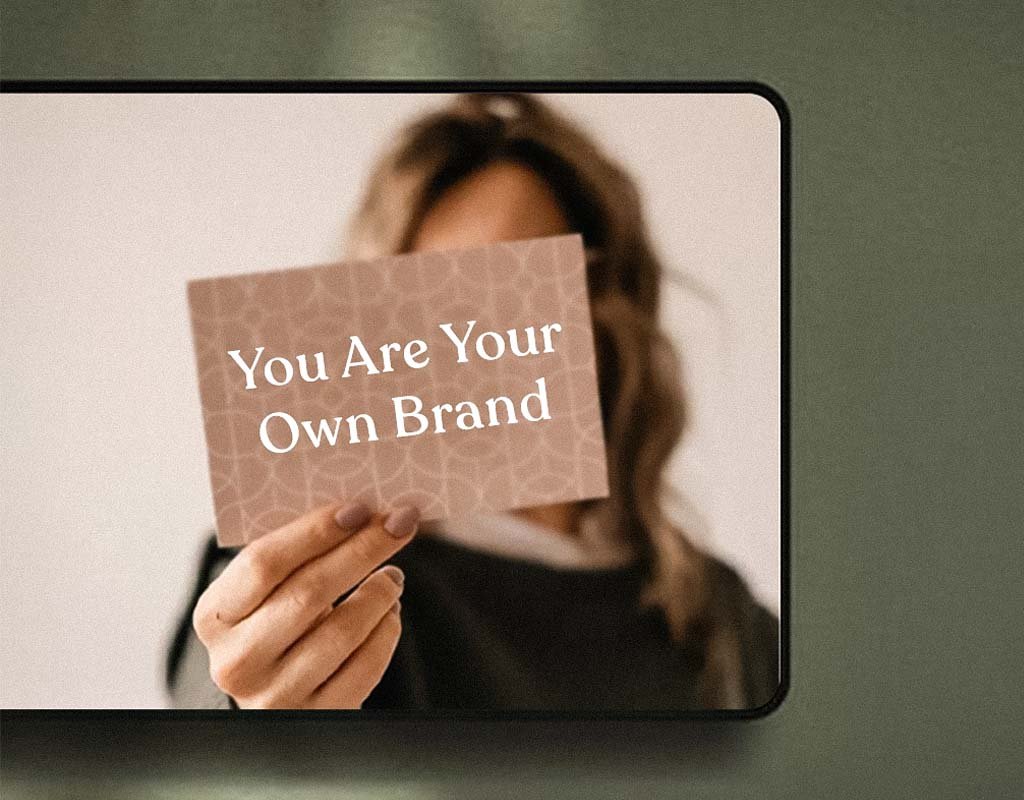
Who This Is For (And Who It Is Not)
This article is written for B2B service-based business owners whose expertise is central to what they sell. This includes coaches, consultants, advisors, strategists, fractional leaders, and professional service providers.
The focus here is not on influencer branding, building a following, sharing personal updates, or creating a public persona. Instead, it's about how you and your expertise shape the perception of your business.
In service-based industries, clients do not simply purchase a product off the shelf; they are making a judgment based on the individual providing the service. Therefore, how you present yourself publicly is closely tied to how your business is perceived.
Why Personal Branding Is So Often Overlooked
Many business owners don’t prioritize personal branding in their daily routines. They concentrate on clients, deliverables, relationships, and keeping their businesses running smoothly.
This focus is understandable. When work is flowing and everything seems fine, branding often feels like a lower priority. There’s usually no clear sign indicating it needs attention – until someone decides to look you up.
Before a referral contacts you or a prospect schedules a call, they typically check your website, LinkedIn profile, or a quick bio available online. That brief moment is crucial as it influences their level of confidence in proceeding.
If what they discover doesn’t clearly convey who you are, what you do, and why your experience is valuable, hesitation will likely arise. This uncertainty may not stem from the quality of your work but rather from an unclear narrative.
What Personal Branding Actually Means for Service Businesses
Personal branding is often seen negatively because it is linked to self-promotion. However, for service-based businesses, personal branding is really about showcasing your professional reputation.
It includes the story people create about you when you're not around. This story covers how you explain your role, what you are known for, the problems you solve, and how your experience matters.
Personal branding is closely connected to your business brand. For many service businesses, it is the first way potential clients connect with you. People usually decide if a business is trustworthy by looking at the person behind it.
Whether you like it or not, that perception already exists.
Your Personal Brand Exists Whether You Manage It or Not
Many business owners believe that personal branding is something to focus on later, once their business reaches a certain level of success. In reality, it is already happening.
Your personal brand is influenced by various elements, including your website, LinkedIn profile, online search results, bios, and directories. It also reflects how others talk about you when you're not around. Even a lack of information can create an impression.
If someone searches for you and finds no recent information, that absence contributes to their perception of you. Similarly, if they come across outdated or inconsistent information, that also shapes how they view you. Once people form their opinions about your personal brand, it can be challenging to change those views.
This highlights the importance of actively managing and curating your personal brand from the very beginning.
Where Algorithms Come In
Algorithms don’t create your reputation; they reveal patterns based on what already exists. They draw from various elements, such as your headlines, descriptions, consistent language across platforms, job titles, and third-party mentions. Their summaries are based on consistency rather than subtlety.
When your messaging is clear and cohesive, the story that emerges typically aligns well with your actual work. In contrast, if your messaging is vague, outdated, or inconsistent, the narrative can become generic or misleading. This can lead to situations where experienced professionals are seen as generalists, strategists get labeled simply as marketers, and consultants come off as interchangeable, even when their work is unique.
If you don’t intentionally shape your narrative, it will be shaped for you by others.
When Personal Branding Misses the Mark
Most people often overlook personal branding as a concern until it manifests in other ways.
They might notice that inquiries are not aligned with their services, sales conversations take longer than expected, pricing discussions are convoluted, and referrals have a hard time explaining what the business actually does. Initially, this might seem like a marketing problem, leading to the belief that more content is the answer. The idea is to increase posting and enhance visibility. However, simply boosting visibility does not resolve unclear positioning; in fact, it amplifies the confusion.
Typically, what’s happening is that while the business has grown, the way it is being described has not kept pace. This disconnect can lead to misalignment, making it crucial to refine and clarify your personal brand to better reflect the evolution of your business.
What a Strong Personal Brand Looks Like
A strong personal brand in a service business is not loud. It is clear.
When it is working, a potential client can quickly understand:
what you actually do
who your work is for
why your experience matters
how you are different from other options
The strongest personal brands tend to share a few common traits.
✅ They are accurate. They reflect what you do now, not every role you have ever held.
✅ They are consistent. Your website, LinkedIn profile, and bios tell the same story.
✅ They are relevant. The connection between your work and the client’s problem is obvious.
✅ They are specific. You do not sound interchangeable with everyone else in your space.
These are not marketing tactics. They are trust signals.
Why This Affects Pricing and Growth
Service businesses often miss out on opportunities not due to concerns about the quality of their work, but because potential clients struggle to justify their investment. When a personal brand lacks clarity, buyers face additional challenges in articulating the rationale behind their decision to engage a service.
In contrast, a well-defined personal brand provides inherent justification for the investment even before the initial conversation takes place. This highlights the importance of personal branding as it goes beyond mere appearance; it directly influences trust, customer confidence, and pricing capabilities.
A strong personal brand can significantly enhance a business's ability to attract clients and secure opportunities.
Where Brand and Website Work Comes In
This is where brand and website clarity matters most.
Your website and professional profiles are often the first places people look when deciding whether to move forward. If those spaces do not clearly communicate your role, focus, and value, no amount of experience behind the scenes can fix that gap.
When I work with clients on branding and website design, the goal is not to make things look nicer. It is to make the business easier to understand and easier to trust at a glance.
That usually means:
clarifying positioning in plain language
aligning website and LinkedIn messaging
removing vague descriptions that attract the wrong inquiries
making sure the online presence reflects the level you operate at now
By addressing these elements, businesses can facilitate growth by minimizing misunderstandings before any conversations even begin.
For those who find themselves frequently explaining their work, misrepresented online, or receiving inquiries that do not align with their offerings, enhancing brand and website clarity could be the crucial solution.
The Bottom Line
You already have a personal brand. The question is whether you are shaping it intentionally or letting scattered information and automated systems define it for you.
For service-based businesses, clarity builds trust long before the first conversation. And trust is what turns interest into action.
If you are ready to align your brand and website with the work you actually do, I would be happy to talk through what that could look like.

Frequently Asked Questions About Personal Branding for Service Businesses
What is personal branding for B2B service businesses?
Personal branding for service businesses is how your expertise, role, and credibility are understood through the public information tied to your name. It includes your website, LinkedIn profile, bios, and how others describe your work. For consultants, coaches, and service providers, personal branding directly affects trust and decision-making.
Who actually needs personal branding?
Personal branding matters for anyone whose expertise is part of what the client is buying. This includes coaches, consultants, advisors, strategists, fractional leaders, and solo service providers. If clients are evaluating you before hiring your business, personal branding applies.
How is personal branding different from business branding?
Business branding focuses on the company as an entity. Personal branding focuses on how the business is evaluated through the person leading or delivering the work. In many service businesses, personal branding acts as the front door to the business brand.
Is personal branding just about social media?
No. Personal branding is not about posting frequently or building a following. Clarity matters more than visibility. A clear website, aligned LinkedIn profile, and consistent messaging usually have more impact than active but unfocused social media.
How do I know if my personal brand is unclear?
Common signs include attracting low-fit inquiries, spending too much time explaining what you do, referrals that struggle to describe your work, or pricing conversations that feel harder than they should. These are usually clarity issues, not marketing issues.
Can personal branding help me attract better clients?
Yes. When your personal brand clearly communicates who you help, what you specialize in, and why your experience matters, the right clients recognize themselves faster. Clear positioning filters out poor-fit inquiries and supports stronger pricing.
Do I need a personal website for personal branding?
For most service businesses, yes. A personal or founder-led website gives you control over how your expertise is presented. It allows you to explain your work clearly, establish credibility, and avoid relying on fragmented third-party platforms.
Can I fix my personal brand on my own?
Some elements can be improved independently. However, many business owners struggle to see where their messaging sounds vague or outdated because they are too close to the work. An outside perspective often helps clarify positioning faster and more effectively.
What is the first step to improving my personal brand?
Start by defining what you want to be known for now, not what you were known for earlier in your career. Then make sure your website and LinkedIn profile clearly reflect that focus in plain, specific language.
How does brand and website design fit into personal branding?
Your brand and website are often the first places people evaluate your personal brand. If the design, structure, or messaging feels unclear or outdated, trust erodes before a conversation ever begins. Strategic branding and website design support clarity, credibility, and growth.
Final Note
If this article seems familiar, that's no coincidence.
Most of the business owners I work with have strong experience, tangible results, and a solid reputation built over many years. What they often lack, however, is clarity.
Their personal brand and website no longer accurately reflect their current expertise. The messaging is outdated, the positioning is too broad, and the story presented online does not align with the actual work they do.
This gap can create hesitation before the first conversation even begins.
If you want your brand and website to clearly communicate your expertise, attract more suitable clients, and minimize the need to explain or justify your work, this is precisely the type of support I provide.
You can schedule a discovery call to discuss your brand, your website, and whether this clarity work would be beneficial for your business.