Logo, Brand Identity, and Branding Explained for Service Businesses
A company can invest thousands of dollars in a new logo and still have the same branding problems it had before.
The logo may look more modern, but the website still struggles to explain the company's services. Sales presentations use different colors and typography. Proposals follow a different visual direction, and the messaging changes depending on who created the material. The company has a new logo, but it doesn't have a stronger brand. This happens because logo design, brand identity, and branding are often treated as interchangeable services. They are related, but each serves a different purpose.
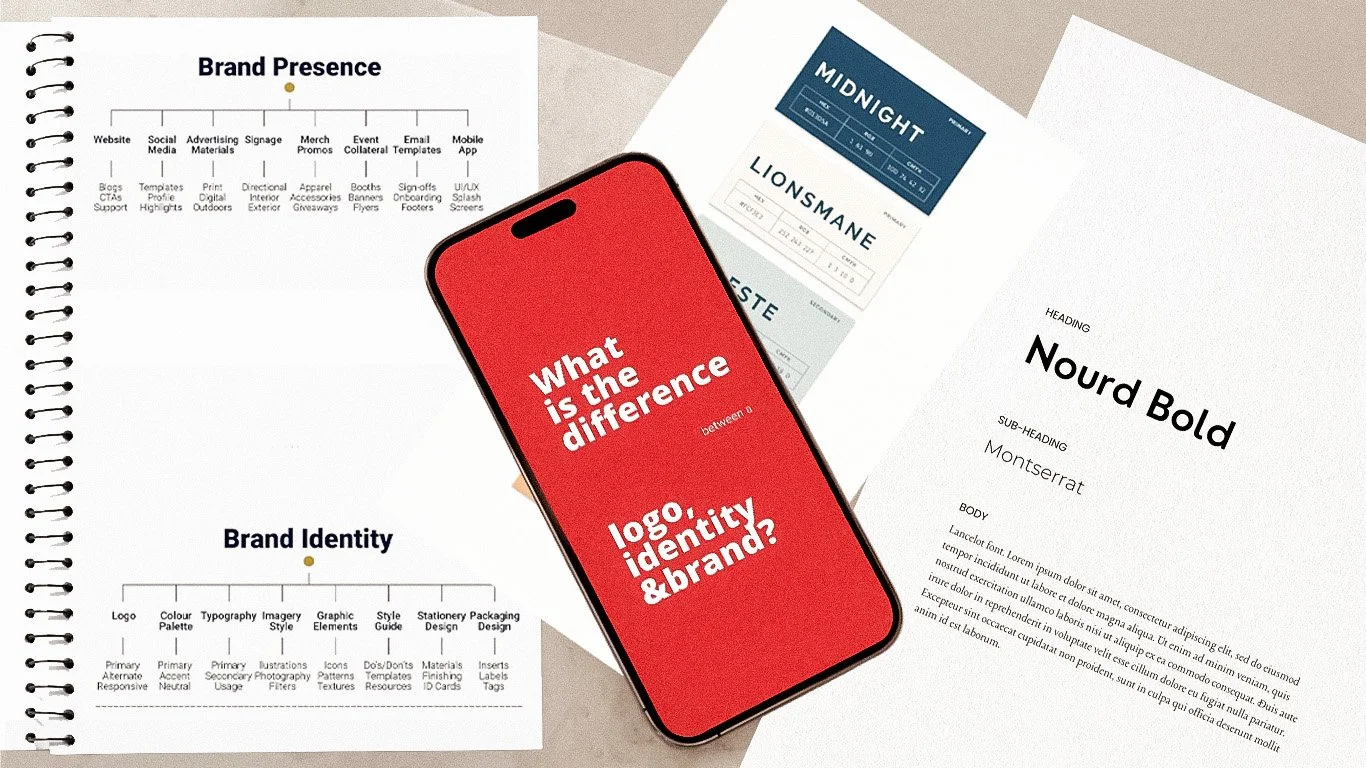
A logo identifies your business. Brand identity creates a consistent visual system. Branding brings together positioning, messaging, reputation, and client experience to shape how the business is understood.
For established service businesses, understanding these differences can prevent unnecessary redesigns and help determine where an investment in brand strategy or design will have the greatest value.
At Boston Graphic Design Studio, I work with business owners and leadership teams on brand identity, positioning, messaging, and website design. Before recommending a new identity, I look at how the existing brand supports the business, what clients already recognize, and where the presentation or communication is no longer working. A new logo isn't always the answer. Sometimes the more valuable work happens around it.
What's the Difference Between a Logo, Brand Identity, and Branding?
The simplest way to understand the difference is to look at the role each plays in a business.
A logo is the identifying mark. It may include a wordmark, symbol, monogram, or a combination of these elements. Its primary job is recognition.
A brand identity is the visual system surrounding that mark. It establishes how typography, color, imagery, graphic elements, and layouts work together across the company's materials.
Branding is broader. It involves how a company positions itself, communicates its value, differentiates its services, and develops a reputation through its interactions with clients.
These elements are connected, but one cannot replace the others.
Consider an established accounting firm. Its logo may be recognizable to clients who have worked with the practice for years. But if its website presents the firm as a general tax preparer while the company now specializes in business advisory and outsourced CFO services, a different logo won't resolve that positioning issue.
The firm needs to examine how it communicates its services and expertise before deciding whether the visual identity should change.
Likewise, a consulting company may have a well-defined position and strong client relationships but use inconsistent brand materials. Its proposals, presentations, and website may have been developed by different people without an established design system.
In that situation, the company may benefit from a more complete brand identity rather than a full rebrand.
The distinction matters because each problem requires a different scope of work.
What Makes a Good Business Logo?
A good logo is recognizable, appropriate for the business, and practical across its applications. It should reproduce well on a website, business card, proposal, presentation, signage, and other materials. It should also remain legible at different sizes and work in the formats the business needs.
What it shouldn't have to do is explain every service, value, or characteristic of the company.
I've seen businesses attempt to communicate too much through a single mark. They want the logo to express their industry, professionalism, history, personality, services, and future direction. That's more responsibility than a logo should carry.
Your positioning explains where the business fits in the market. Your messaging communicates what you offer and why clients should consider you. Your visual identity supports recognition across the places people encounter the company. The logo is one important part of that system, not the entire strategy.
Why Brand Identity Matters for Professional Service Businesses
Service businesses often sell expertise, judgment, relationships, and professional experience rather than a physical product.
Prospective clients cannot fully evaluate those qualities through a logo or website alone. They review the information available to them, including company credentials, service descriptions, team experience, project examples, proposals, and other materials. A consistent brand identity helps those elements feel connected. That consistency becomes especially important as a company grows.
A founder may initially oversee every proposal, presentation, and client communication. As the organization adds employees, service lines, and marketing channels, more people begin producing materials on its behalf. Without established design standards, each person makes independent decisions about typography, colors, imagery, layouts, and presentation. The result may not look obviously wrong. Individual pieces can be well designed while still feeling unrelated to one another. This is where a comprehensive visual identity becomes useful.
A brand identity system establishes the core visual elements and how they should be applied. Depending on the project, it may include logo variations, typography, color palettes, graphic elements, image direction, and brand guidelines.
It can also extend into practical business materials such as proposal templates, presentation systems, business cards, marketing collateral, and website design.
For a professional service firm, the objective isn't to make every document look identical. A technical report and a service landing page have different functions. They should still feel like they belong to the same organization.
A well-developed identity also makes future design decisions easier. New materials can follow an established direction rather than requiring the company to start from scratch each time. That has an operational value beyond appearance. It helps teams produce consistent communications, supports brand recognition, and reduces the number of disconnected design decisions made across the business.
When Does a Business Need a Brand Refresh or a Full Rebrand?
One of the first questions I ask when reviewing a company's branding is what has actually changed.
Has the company entered a different market? Are its services more specialized? Has the target audience changed? Does the current positioning still communicate the work the business wants to be known for?
The answers help determine whether the company needs a brand refresh, a broader rebrand, or improvements to specific materials.
A brand refresh generally makes sense when the core positioning remains relevant but the visual identity needs refinement.
The company may have an established name and recognizable logo worth retaining. Updating its typography, color system, imagery, brand guidelines, or website may be enough to create a more consistent presentation.
A full rebrand involves more fundamental decisions.
The business may be moving into a new market, serving a different client profile, consolidating services, or changing how it competes. In those situations, the existing positioning and messaging may need to be reconsidered before developing the visual direction.
This work can involve brand discovery, competitive research, differentiation, positioning, messaging, creative direction, and a new identity system. Naming may also be part of the scope when the business requires it. The goal should not be change for its own sake.
An established professional firm may have spent years building recognition around its name, colors, or symbol. Replacing those assets without examining their value can discard familiarity the company has already earned.
I've worked with businesses where the logo was one of the few elements I would have recommended keeping. The larger problem was that the website, marketing materials, and visual standards had developed independently.
In those circumstances, a complete logo redesign would have added cost without addressing the main issue.
There are also situations where a new identity is warranted. A company that has substantially changed its services, target market, or business model may need a visual direction that better represents its position today.
The decision should come from the business strategy, not simply whether the current design feels dated.
How Brand Strategy, Messaging, and Website Design Work Together
A brand identity has to function beyond the initial design presentation. Once the new identity is approved, the company still needs to apply it across its website, service materials, presentations, proposals, and other client-facing communications. That is where the relationship between brand strategy and website design becomes important.
A website often carries more responsibility than any other brand asset. It has to communicate the company's positioning, explain its services, establish credibility, and support the next step in the client relationship. Visual consistency matters, but it cannot compensate for weak content or confusing navigation. A professional services website may use the correct logo, fonts, and colors while still failing to explain what distinguishes the firm or which clients it serves. This is why I prefer to address positioning and content structure before moving into detailed website design.
If the company's messaging is changing, the website needs to reflect that direction. If the business has several service lines, the navigation and content hierarchy need to support them. If the brand identity introduces a new visual system, the website should apply it consistently without compromising usability. The same thinking applies to proposals, pitch presentations, company profiles, and marketing materials.
At Boston Graphic Design Studio, brand identity and website design are connected services. I work directly with business owners and leadership teams to understand the company, establish the design direction, and develop the assets needed to communicate consistently. For established businesses, that work may involve improving an existing identity rather than replacing it. For companies entering a new stage, it may involve a more comprehensive brand strategy and identity project followed by a website redesign. Either way, the work should support the actual business requirements.
A new visual system is valuable when the company can apply it consistently and use it to communicate more effectively. That is a stronger measure of success than whether the new logo looks impressive in a presentation.
Frequently Asked Questions About Logos, Branding, and Brand Identity
What is the difference between a logo and brand identity?
A logo is a recognizable mark that identifies a business. Brand identity includes the logo along with typography, colors, imagery, graphic elements, and design standards used across websites, presentations, proposals, and other materials.
Is branding the same as brand identity?
No. Branding is broader and includes positioning, messaging, reputation, client experience, and the way a business is perceived. Brand identity is the visual system used to represent and communicate that brand.
How do I know if my business needs a new logo or a rebrand?
Start by reviewing what's no longer working. If your logo is recognizable and appropriate but your materials lack consistency, a brand identity refresh may be enough. If your services, positioning, audience, or market have substantially changed, a broader rebrand may be necessary.
Can I keep my existing logo and update my brand identity?
Yes. Many businesses benefit from retaining an established logo while improving typography, colors, imagery, brand guidelines, and marketing materials. The decision depends on how well the existing logo supports the company's current positioning.
Should brand strategy come before website design?
Yes, when the business's positioning, messaging, or visual direction needs to be established or revised. These decisions influence website architecture, content, navigation, and design. If the existing brand is already working well, a website redesign may not require a full branding project.
What does a professional brand identity design project include?
The scope may include brand discovery, visual direction, logo design or refinement, typography, color systems, supporting graphic elements, and brand guidelines. Additional materials, including presentation templates, marketing collateral, and website design, can be scoped according to the company's requirements.
Build a Brand Identity That Supports the Business You're Running
A logo, brand identity, and branding each contribute to how a company presents itself, but they solve different problems. A logo helps people recognize the business. A visual identity creates consistency across its communications. Brand strategy and messaging establish how the company positions itself, explains its expertise, and differentiates its services.
Before investing in a redesign, it's worth understanding which part of that system needs attention. If the logo still works, replacing it may be unnecessary. If the identity has become inconsistent, better standards and supporting materials may resolve the issue. If the company has changed its market position or business direction, the work may need to begin with strategy.
Boston Graphic Design Studio provides brand identity design, strategy, and website design for growing service businesses and established companies across Worcester County, MetroWest, Greater Boston, and beyond. With more than 10 years of professional design experience, I work directly with business owners and leadership teams to review their current brand, identify what needs to change, and develop a scope of work that supports their business goals.
Whether you're considering a brand refresh, a new identity system, or a website redesign, the first step is understanding what the business actually requires.